Entry · Ref 9FL9NEJM
How to Choose the Best Aesthetic Clinics UK Has to Offer
- Posted
- 2026-10-29
- Last amended
- 2026-10-29
- Account
- @aestheticclinicsukinsight
Navigating the UK Aesthetic Clinic Scene
Over the past decade, the number of aesthetic clinics UK wide has grown at an astonishing rate. Walk down any high street and you are likely to spot a clinic offering Botox, dermal fillers, or laser hair removal. This boom reflects a genuine shift in how we approach self-care and ageing. But for every excellent clinic, there are a handful that cut corners. I have seen the results of rushed consultations and poorly stored products, and it is not pretty. So how do you separate the wheat from the chaff when every clinic claims to be the best?
The first thing to understand is that the term "aesthetic clinic" is not a protected title. Anyone can set up a clinic and call it that. This is why regulation matters. The CQC, or Care Quality Commission, is the gold standard in England. A clinic registered with the CQC has passed inspections on safety, cleanliness, and staff qualifications. Not every good clinic is CQC-registered, but every CQC-registered clinic has met a baseline. Treat that as a green flag, not a guarantee.
What to Look for in Practitioner Credentials
The person holding the needle matters more than the brand of the product. I have had treatments from nurses, doctors, and dentists, and the difference in skill is obvious. A qualified medical professional understands facial anatomy, can spot contraindications, and knows how to handle complications. Look for practitioners who are registered with a recognised body, such as the General Medical Council, the Nursing and Midwifery Council, or the General Dental Council. Some clinics also hold accreditations from schemes like Treatments You Can Trust or Save Face. These are voluntary but signal a commitment to high standards.
During a consultation, a good practitioner will ask about your medical history, allergies, and expectations. They will explain the risks honestly. If a clinic rushes this part, walk away. I once visited a clinic where the consultant barely looked at me before recommending a full syringe of Juvederm. That is a red flag. A responsible clinician will start with a conservative amount and discuss realistic outcomes.
Understanding the Treatments on Offer
The range of treatments available in aesthetic clinics UK can be overwhelming. Anti-wrinkle injections, commonly known by the brand name Botox, remain the most popular choice for softening frown lines and crow’s feet. But there are other neurotoxins too, and the effect can vary between products. Dermal fillers, such as Juvederm, use hyaluronic acid to add volume to cheeks, lips, and nasolabial folds. Hyaluronic acid is a substance your body naturally produces, which is why it is generally well tolerated and reversible with an enzyme injection if something goes wrong.
Beyond injectables, many clinics offer medical skincare treatments that go deeper than a standard facial. Microneedling uses tiny needles to stimulate collagen production, which can improve texture and reduce scarring. Chemical peels remove the outer layer of skin to reveal fresher cells underneath, and they come in different strengths depending on your skin type. IPL, or intense pulsed light, targets pigmentation and broken capillaries, while laser hair removal offers a more permanent solution to unwanted hair.
Thread lifts have gained popularity as a non-surgical facelift alternative. Fine threads, often made of polydioxanone, are inserted under the skin to lift sagging tissues. The results are subtle but can last a year or more. Non-surgical rhinoplasty is another option where filler is used to reshape the nose without going under the knife. It is a temporary fix but can make a big difference for those unhappy with their profile.
Radiofrequency treatments tighten skin by heating the deeper layers, which stimulates collagen remodelling. This works well on the jawline and neck. Microdermabrasion is a gentler exfoliation method that polishes the skin’s surface. Some clinics also offer massage therapy, which can help with relaxation and lymphatic drainage, especially after more invasive procedures. Smith & Nephew, a company better known for wound care, also produces some of the dressings and tapes used in clinics. It is a reminder that the aesthetic world draws on broad medical expertise.
Safety First: Red Flags and Green Lights
I cannot stress this enough: do not book a treatment based on a social media discount code. Some of the worst complications I have seen involved bargain Botox from unregistered providers. A safe clinic will have a clean environment, proper waste disposal, and a visible emergency plan. They should be happy to show you their CQC registration or accreditation certificate. If they get defensive, that is a red flag.
Another green light is the use of genuine products. Counterfeit Botox and fake Juvederm have been found in the UK. A reputable clinic will show you the product packaging before opening it, and they will let you check the batch number. They should also explain the aftercare clearly. For example, after dermal fillers, you need to avoid vigorous exercise and alcohol for 24 hours. Good clinics provide written aftercare instructions.
Complications can happen even in the best hands. Swelling, bruising, and asymmetry are common. Infection and vascular occlusion are rare but serious. A responsible practitioner will tell you what to look out for and how to reach them if something goes wrong after hours. I once had a patient who developed a small lump after a filler treatment. Her clinic saw her the next day, massaged the area, and everything settled. That is the mark of a good clinic.
The Role of Reviews and Recommendations
Word of mouth still matters. Ask friends or colleagues who have had treatments you admire. Online reviews can be helpful but take them with a pinch of salt. Some clinics buy fake five-star reviews, and competitors may leave unfair negative ones. Look for reviews that mention specific details: the name of the practitioner, the treatment, and the outcome. A review that says "great service" is less useful than one that says "Dr X explained the risks thoroughly and my lip filler looks natural".

Directory sites like aestheticdirectory.co.uk can help you find verified clinics in your area. They list clinics that have been checked for basic credentials, which saves you time. But always do your own follow-up. Check the practitioner’s individual registration. A clinic may be accredited, but the person treating you might be a trainee with limited experience. Ask who will perform the treatment and whether they are insured.
Insurance is another layer of protection. The practitioner should have indemnity insurance that covers the specific treatments they offer. If something goes wrong, you need to know you are covered. Some clinics will let you see their insurance certificate if you ask.
Cost vs Value: Making Smart Choices
The cheapest clinic is rarely the best. High-quality products and experienced staff cost money. A reasonable price for a single area of anti-wrinkle injections in the UK is between £150 and £350. Dermal fillers typically range from £200 to £600 per syringe, depending on the brand and the clinic’s location. If a price seems too good to be true, it probably is. That said, expensive does not automatically mean good. A well-known clinic in a prime location may charge a premium for rent, not expertise.
Some clinics offer package deals or loyalty schemes. These can be good value if you are planning multiple sessions, such as for laser hair removal or microneedling. But be wary of contracts that lock you into a large number of visits. You should always feel free to switch clinics if you are not happy.
Another consideration is the consultation fee. Many reputable clinics charge for the initial consultation, then deduct it from the treatment cost if you proceed. This discourages time-wasters and ensures the practitioner is compensated for their expertise. I prefer clinics that charge a fee because it usually means they take the consultation seriously.
Realistic Expectations and Aftercare
No treatment can stop the ageing process entirely. The goal is to look refreshed, not transformed. A good practitioner will tell you if your expectations are unrealistic. For instance, non-surgical rhinoplasty can smooth a bump or lift a tip, but it cannot make a nose significantly smaller. Thread lifts provide a subtle lift, not a surgical facelift result. Knowing these limits helps you avoid disappointment.
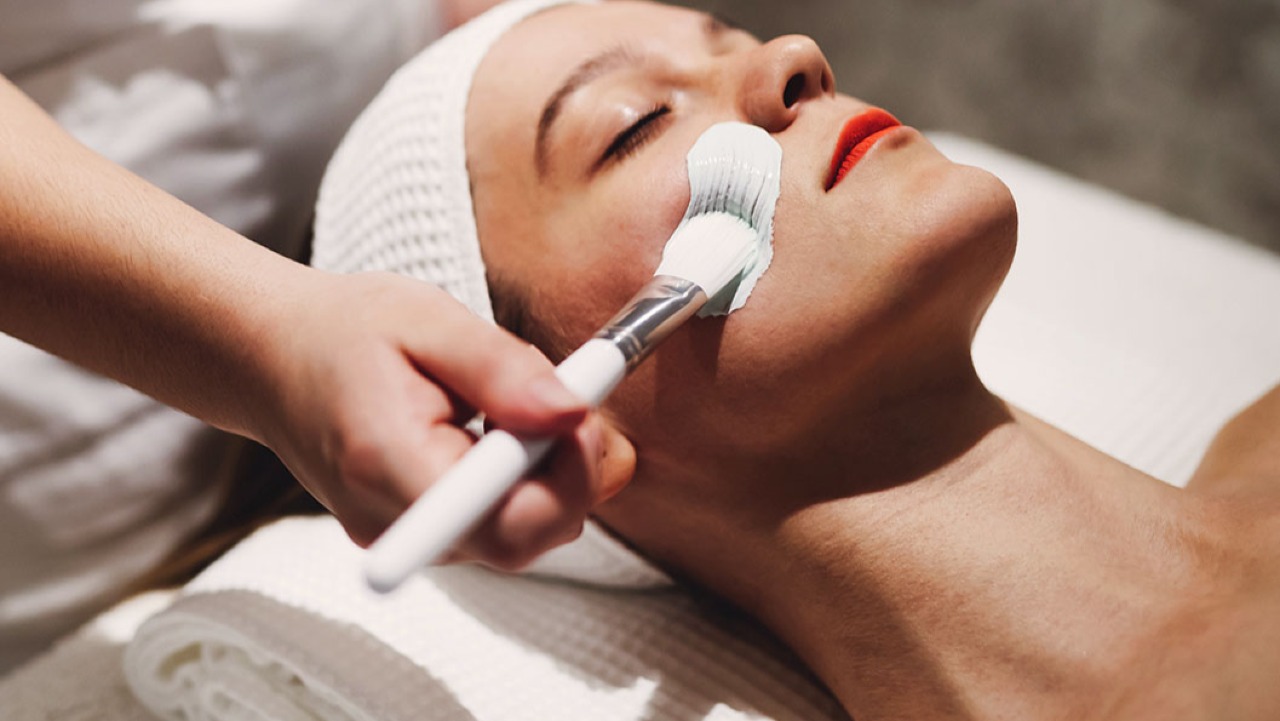
Aftercare is as important as the treatment itself. Some treatments, like chemical peels and microneedling, require downtime and careful skincare afterwards. Sun protection becomes non-negotiable. Your clinic should give you a clear plan for the days and weeks following your appointment. If they do not, ask for one. I have seen people ruin a good peel by going straight to the gym or sunbathing. Follow the rules and you will get better results.
Final Thoughts on Choosing a Clinic
The aesthetic clinics UK market is full of choice, which is a good thing. It means you can find a clinic that suits your needs, your budget, and your comfort level. But with choice comes the need for due diligence. Look for CQC registration, accredited practitioners, genuine products, and transparent pricing. Trust your instincts. If something feels off during a consultation, it probably is. A good clinic will make you feel informed, not pressured.
Ultimately, the best clinic is the one where the practitioner listens, explains, and treats you as an individual. That is harder to find than a cheap deal, but it is worth the search. Your face and your health deserve nothing less.